
Autauga County Arrest Warrants Explained
An arrest warrant is a court order telling an officer to take a named person into custody. Under Alabama Rule of Criminal Procedure 3.1, a judge or magistrate issues a warrant or summons after an indictment or the probable-cause finding that Rule 2.4 requires. Probable cause simply means the facts give a sound reason to believe a crime happened and that this person committed it. Which court holds the Autauga County arrest warrant record depends on the charge. Autauga Circuit Court handles felonies. Autauga District Court takes misdemeanors, felony preliminary hearings, and county traffic matters, while municipal magistrates work city cases on limited authority. There is no single countywide search screen that ties these records together. The Autauga County Sheriff posts no public active-warrant roster or name-search portal either. The Sheriff's guidance is plain: anyone who believes a county warrant exists should come to the office with valid photo identification, because staff will not confirm warrants over the phone. A court record request can surface public case material, but it is no substitute for that in-person official check in Autauga County.
Autauga County Warrant Cause Review
Probable cause comes first. A sworn complaint, an affidavit, testimony, or an indictment gives the judge or magistrate something to review, and only then does an arrest warrant or summons issue in an Autauga County case. The Alabama criminal forms index lists the state's complaint, complaint-and-warrant, and failure-to-appear forms used in that process.
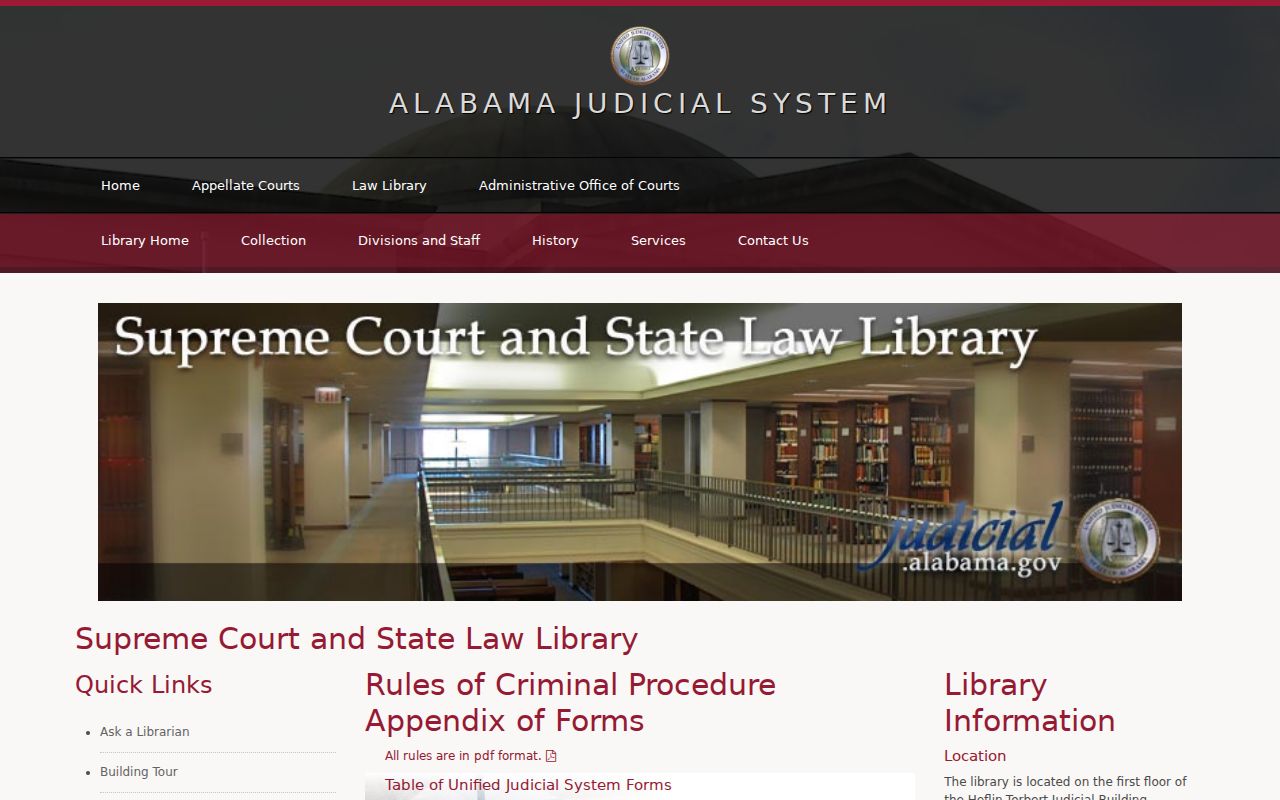
That forms index names official documents. It is not a people database. It holds no list of active Autauga County arrest warrants, and it shows nothing about any warrant's current status. The sequence it supports still matters. Facts are sworn under oath, a judge reviews them, a warrant or summons issues, and an officer's return later records what happened with the process. An indictment opens a second route under Rule 3.1. A grand jury charges. Either way, the warrant's only job is to authorize custody. The criminal case then moves through its own hearings and outcome in Autauga County.
Inside a Autauga County Arrest Warrant
Autauga County publishes no sample arrest warrant for public inspection. No verified result-card layout, bond field, status label, or numbering pattern exists to copy here. What Alabama's forms and court process do show is the kind of information a warrant document or case record may hold, always subject to sealing and access rules.
| Court or case identifier | Connects the arrest process with the issuing court's criminal file; no local public number format was verified. |
|---|---|
| Named accused | Identifies the person the judicial order concerns. |
| Complaint or charge | States the alleged offense or charging basis associated with the warrant. |
| Issuing authority | Identifies the judge, magistrate, or court that authorized the process. |
| Issue information | May record the date and terms of issuance. |
| Officer return | Reports execution, service, or nonservice to the court. |
| Bond or appearance term | May reflect a court-set condition, but no public Autauga bond schedule was found. |
| Status or disposition | Must be confirmed with the holder; it is not publicly displayed in a county warrant list. |
Not everything on a warrant is public. A record may be sealed, juvenile, protected for safety, or restricted while an investigation runs. Ask the issuing court in Autauga County what record exists and what part may lawfully be released.
Autauga County Warrant Intake Route
How does a warrant actually get started in Autauga County? The Autauga Circuit Clerk warrant page lays out the local route. A private citizen cannot simply command one into being. Want a warrant on someone else? There is a fixed process. First an Autauga deputy sheriff writes an Incident/Offense Report. That report then goes to the Circuit Clerk. From there a judge or magistrate weighs probable cause under Alabama criminal rules. City matters run differently. The Prattville Police reports and permits page shows how city reports are filed. It sends municipal tickets to the city court instead.
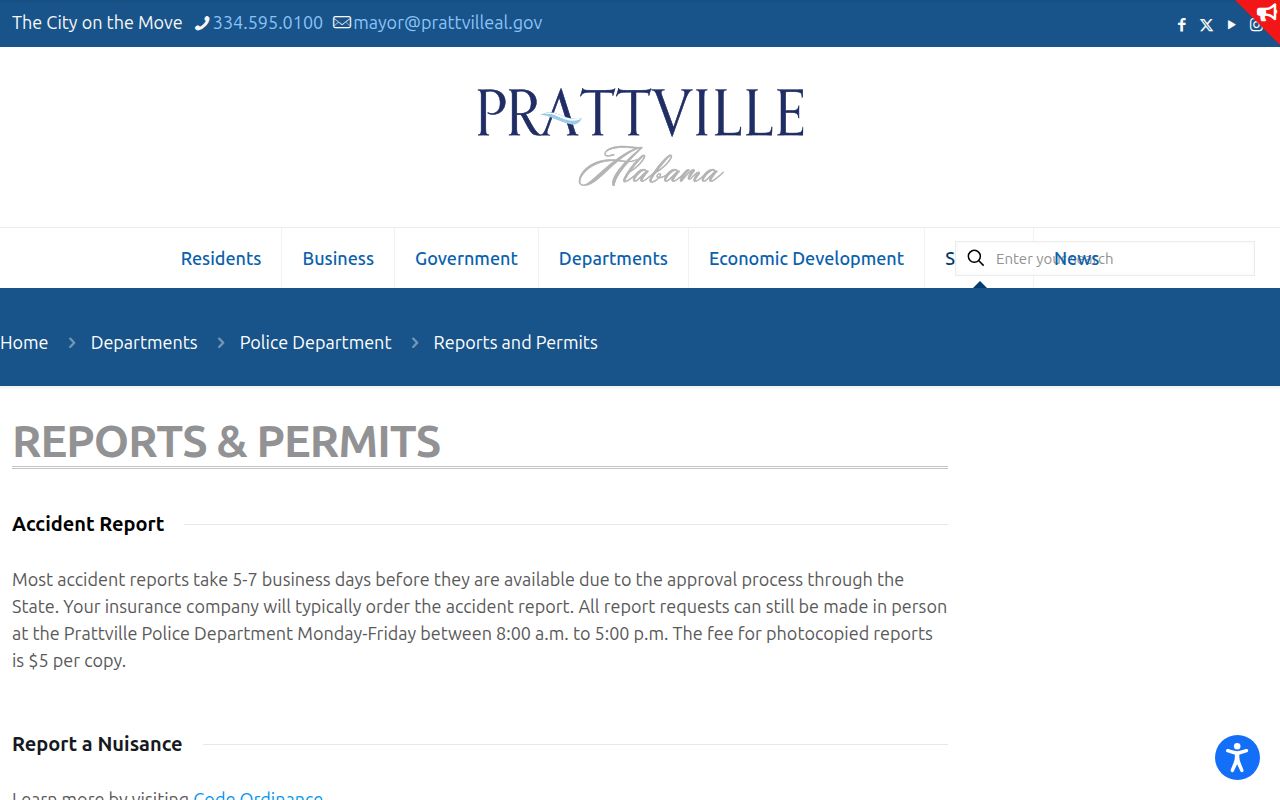
The Prattville page is useful context only. It separates police reports from municipal citation handling. Still, it is not a Prattville arrest warrant search, and it cannot tell you whether a named person has a warrant anywhere in Autauga County. The legal chain stays the same. A report or sworn material leads to judicial review, then a warrant or summons, then service and court action. Note: Filing or obtaining an incident report does not guarantee that an Autauga County arrest warrant will issue.
Serving Arrest Warrants in Autauga County
The Autauga County Sheriff is the county's law-enforcement agency. Documented duties include process service, courthouse security, prisoner transport, and in-person warrant verification. Municipal police and other authorized peace officers can serve process within their own authority. A warrant may be executed whenever officers find the person. Even an unrelated lawful encounter can trigger it. Service only means the arrest warrant was carried out. The charge itself continues. Booking, an initial court appearance, and bond conditions where available typically follow. A future setting comes too. The exact path depends on the issuing court and its order. No Autauga County source publishes a fixed arrest-to-release timetable. Already know an Autauga County arrest warrant is out there? Do not wait for a chance encounter. The Sheriff recommends voluntary surrender. Ask the Circuit Clerk for the bond amount first. Intake hours, bond methods, and any release guarantee are not published. Confirm the logistics and get legal advice before you walk in.
Autauga County Warrant Service Roles
In Autauga County, the people who issue a warrant are not the people who serve it. Circuit and District judges or magistrates issue state-court process. Municipal magistrates hold their own power: they may issue arrest warrants and set specified bail in minor misdemeanor prosecutions under Alabama Code section 12-14-51. Execution falls to the Sheriff and other authorized officers. Clerks keep the court files tied to each warrant. If a city case requires an appearance, the Prattville Municipal Court conduct page lists the entry rules to expect.
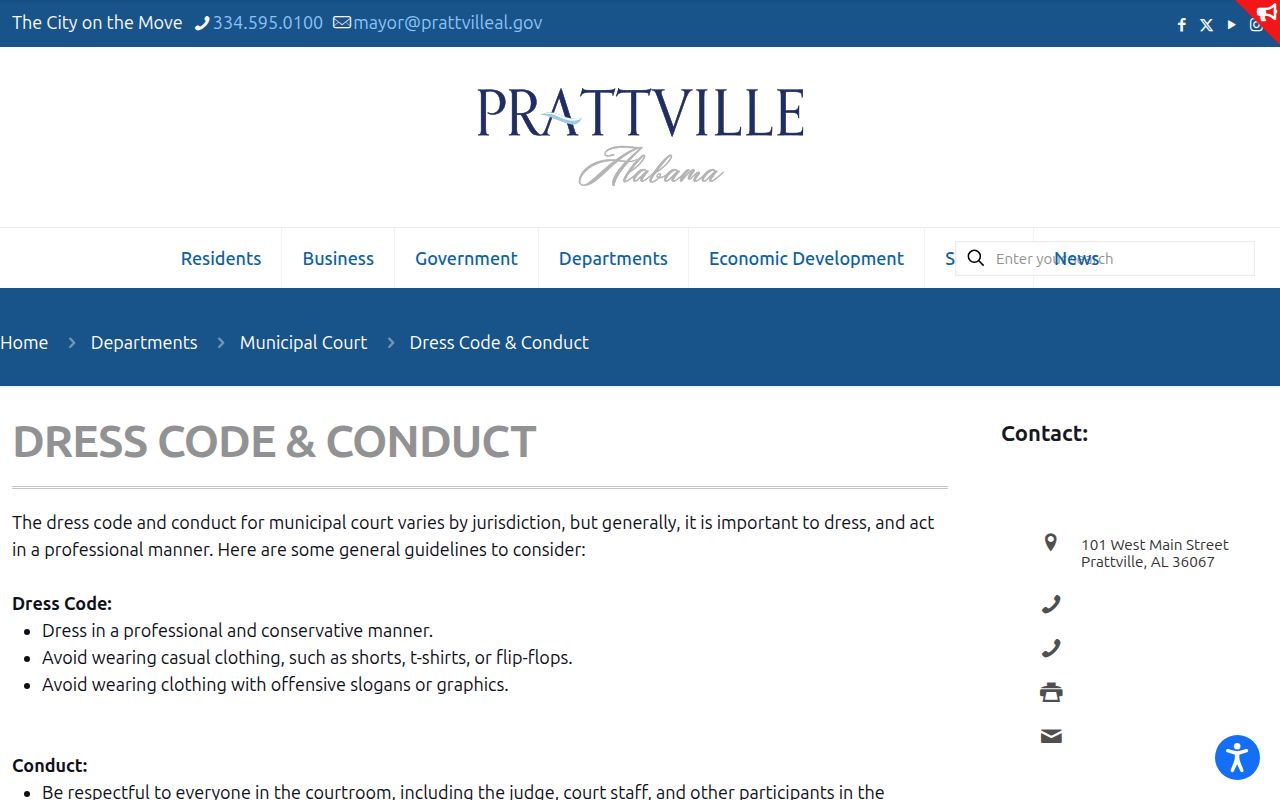
That page bars phones and weapons from the courtroom and asks for professional, conservative dress. Useful guidance before a Prattville appearance, but it is not a surrender procedure. Following it does not show that any Autauga County court has recalled an arrest warrant.
Circuit and District Courts
Judges and magistrates issue state process; the Circuit Clerk keeps the county court record.
Autauga County Sheriff
Serves county process and verifies suspected county warrants in person with valid ID.
Municipal Court and Police
City officers and magistrates handle municipal matters within their statutory authority.
Comparing Arrest, Summons, and Bench Warrants
Alabama Rule 3.1 offers two routes after indictment or a probable-cause finding. One is an arrest warrant. The other is a summons. It orders the person to appear without an immediate arrest. The rule permits a summons in stated circumstances. For example, the offense must be bailable. Nothing may suggest the person will ignore it. If a summons fails or never arrives, the court can issue a writ of arrest instead. That choice belongs to the issuing court. It is not made by anyone in Autauga County doing a warrant search.
| Feature | Arrest Warrant | Summons | Bench or FTA Warrant |
|---|---|---|---|
| Direction | Authorizes an officer to arrest | Orders the person to appear | Authorizes arrest after a missed duty or failed summons |
| Basis | Indictment or probable cause | Charged process where release without arrest is allowed | Failure to appear, likely nonappearance, or failed service |
| Response | Confirm, seek counsel, plan surrender and bond | Attend on the stated date | Ask the issuing court about appearance, reset, bond, or recall |
| Autauga route | Issuing court plus Sheriff's in-person ID procedure | Issuing court's case record | Issuing court controls the FTA record |
A bench warrant is just an everyday name. It means an arrest order tied to a missed court duty. Alabama's materials call the FTA form an "Alias Warrant of Arrest for Failure of Defendant to Appear." Rule 3.1(c) says "writ of arrest." The companion Autauga County bench warrant search walks through those local terms.
Autauga County Has No Warrant Card
Most people picture a public result card. It would list a name, a charge, an issue date, a bond, and an active or cleared label. A judge would appear too. Autauga County publishes no official arrest-warrant search form. No sample list exists either. The Sheriff's inmate-search page has been unavailable. Even a live roster answers a custody question, not a warrant question. So an empty search result is not a clearance certificate. A new warrant may not yet be public. A record may be sealed. A city court may hold the matter, or a court may restrict access. State traffic and payment services are not statewide warrant registries either. A payment receipt proves only the transaction it records, nothing about warrants in Autauga County.
Key point: Autauga County arrest warrant status requires direct official confirmation; the county provides no public bond-and-status card to search online.
For a county concern, follow the Sheriff's in-person valid-ID rule. For a known Circuit or District case, contact the right Circuit Clerk division. A Prattville or Autaugaville municipal matter belongs with that city court in Autauga County.
If There's an Arrest Warrant for You
First, identify the issuing court and get legal advice. For a suspected Autauga County warrant, the Sheriff's official FAQ requires an in-person check at 162 W. 4th Street, Prattville, with valid ID. It states warrants are not verified by phone. That step carries risk. An in-person visit can expose a person to arrest, so talk with counsel about the safest lawful approach first.
- Collect the case, citation, summons, or incident information that may identify the issuing court.
- Ask a defense lawyer to assess the record and advise on court contact, voluntary surrender, or any motion that may be available.
- For a known county warrant, ask the Circuit Clerk for the bond amount before surrender, following the Sheriff's own direction.
- Confirm current intake and bond logistics. No public Autauga criminal bond schedule or bond-window hours were located.
- After arrest, surrender, or court action, obtain the next setting and confirm the warrant's status with the issuing court.
Important: Speak with a lawyer before surrender; an active Autauga County arrest warrant can be served during a lawful officer encounter.
Bond secures appearance; it does not dismiss the case. An Autauga County court may still require more hearings, and if the paper is really an FTA writ, the issuing judge alone controls any recall or reset.
Federal Warrants Beyond Autauga County
Federal arrest warrants run through a separate system. Autauga County falls within the U.S. District Court for the Middle District of Alabama. The U.S. Marshals Service and other federal agencies handle federal fugitive work. The Autauga Sheriff FAQ cannot confirm a federal warrant. Neither can the Circuit Clerk, Alapay, or municipal court channels.
The federal court's homepage identifies the separate court system serving Autauga County. It is not a public federal warrant lookup. PACER sells docket access, but a docket service is not a "check my warrant" tool. A federal arrest warrant may stay sealed until execution. Its supporting record may stay sealed too. CourtListener's RECAP archive may hold some docket material. A missing document says nothing conclusive about an active federal process. If facts point to a federal matter, hire a lawyer. A lawyer can use the correct federal court channel for Autauga County residents. Do not visit a county payment office. It will not show or clear a federal record. The issuing sovereign and court set the path. Note: County and federal arrest warrants may both authorize custody, but their courts, records, and service agencies remain distinct.